Truvani Protein Powder Review (2026): A Nutrition Coach Reviews This Plant-Based Protein Powder

Truvani Protein Powder Review: Is It Worth Buying?
A simple-ingredient contender among plant-based protein powders
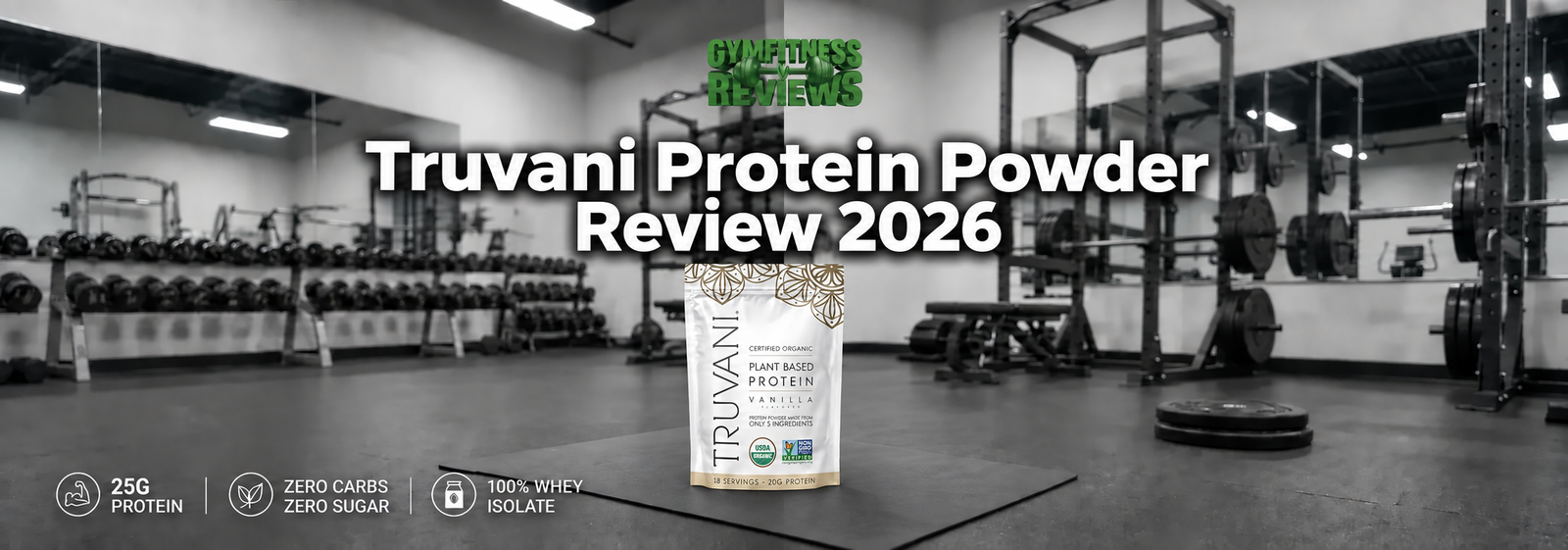
Choosing a plant protein can be frustrating. Some powders have lengthy ingredient lists, while others leave a grittytexture or an aftertaste. Truvani takes a simpler approach: its Vanilla Plant-Based Protein lists five organicingredients, with pea, pumpkin seed, and chia seed proteins supplying 20 grams of protein per serving
But a short ingredient list does not automatically make a protein powder the right choice for everyone. Proteincontent, flavor preference, dietary needs, and cost still matter.
In this Truvani protein powder review, we examine the published ingredients, nutrition, potential advantages, andtrade-offs. The focus is the Vanilla plant-based formula; other flavors can have different ingredients and nutritionfacts.
Quick Verdict
Truvani is a promising option for someone who wants a dairy-free, soy-free plant protein with a short, recognizableingredient list. The Vanilla formula uses monk fruit for sweetness and combines three plant protein sources.Truvani says its blend provides a complete amino acid profile.
Its main trade-offs are the 20-gram protein serving, a possible preference against monk fruit’s taste, and a pricethat shoppers should compare per serving with alternatives. Taste and texture remain personal; we cannot give anhonest hands-on rating without testing it.
Best fit: People seeking an organic, vegan protein powder without dairy or soy.
Think twice if: You want the highest protein dose for the lowest price, dislike monk fruit, or need a verified tasteand mixability assessment before buying.
Overall Rating: 8.1 / 10
Product Specifications
These details come from Truvani’s published product information. Check the package you purchase for servingsize, calories, carbohydrates, and allergen statements, as formulas may change.
Pros and Cons
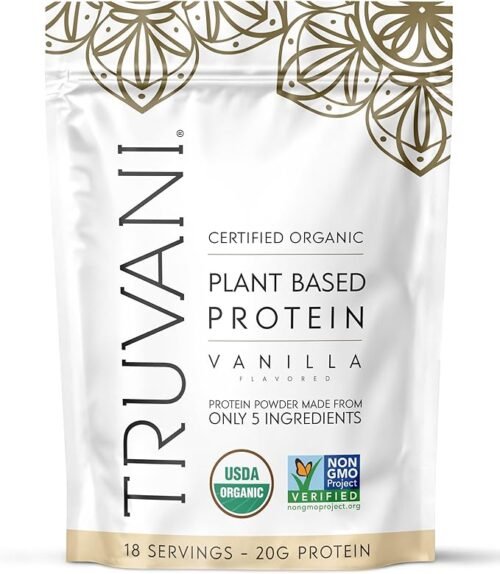
Truvani Protein Powder
Premium Plant Protein: Made with organic pea, pumpkin seed, and chia protein.
Clean Formula: Free from artificial sweeteners, fillers, and unnecessary additives.
Diet-Friendly: Vegan, gluten-free, dairy-free, soy-free, and keto-friendly.
- USDA Organic: Certified organic, non-GMO, and made with simple ingredients.
Naturally Sweetened: Uses organic monk fruit with no added sugar.
- Smooth & Delicious: Rich flavors with a smooth, non-chalky texture.
- Easy to Mix: Blend with 8–12 oz of your preferred liquid.
- Fitness-Friendly: Provides approximately 120–140 calories per serving.
Truvani Plant-Based Protein Powder (Vanilla)
The Vanilla formula is the clearest starting point for evaluating Truvani’s approach. Rather than using a long list offlavorings and additives, it lists five organic ingredients. That simplicity may appeal to shoppers who want to knowexactly what is in their shake.
It is still a protein supplement, not a balanced meal replacement. A serving can help close a protein gap, but therest of a person’s diet provides nutrients a powder alone cannot.
How We Evaluated This Protein Supplement
This review uses the manufacturer’s published ingredient and product information, alongside the questions ashopper should ask before purchasing. We did not conduct an independent lab analysis or a hands-on tasting.
That distinction matters when reading Truvani plant-based protein powder reviews: a label review can assess theformula, while firsthand testing is needed to judge taste, texture, and mixability reliably.
Taste Review: Vanilla
Truvani uses organic vanilla powder and organic monk fruit extract in its Vanilla plant protein. The company says itdoes not use stevia, sugar alcohols, or natural or artificial flavors in this formula.
Those choices may sound appealing if you dislike heavily flavored powders. They cannot, however, tell youwhether you will enjoy the result. Monk fruit has a distinct sweetness, and a powder’s flavor changes when mixedwith water, dairy-free milk, fruit, or oats.
If taste is your deciding factor, consider a smaller pack or sample before committing to a larger purchase. That isespecially useful if you usually prefer an unsweetened shake.
Taste Rating: 7.8/10
Mixability & Texture
Truvani describes its plant protein as smooth and says it can be mixed into drinks. Those are manufacturer claims,not findings from our own shaker-bottle test.
For a fair comparison with another powder, use the same amount of liquid, the same mixing method, and theserving size printed on each package. Try water first if you want to assess the powder itself; a smoothie can maskdifferences in texture.
A plant-based blend may feel different from whey even when both mix well. Texture is therefore a reasonablereason to try a sample before buying in bulk.
Mixability Rating: 7.5/10
Ingredient Breakdown
Pea, Pumpkin Seed & Chia Protein
Pea protein provides the base of Truvani’s blend. Pumpkin seed and chia seed proteins add other plant sources.Truvani says combining the three gives the product a complete amino acid profile.
For most shoppers, the practical question is whether the powder helps them meet their daily protein needsalongside regular meals. A 20-gram serving can make a useful contribution. Someone comparing it with wheyshould also look at their overall diet, serving size, preferences, and budget.
Truvani Protein Powder are commonly associated with:
Sweeteners & Additives
Vanilla Truvani uses monk fruit extract as its sweetener. According to the manufacturer, the plant-protein formuladoes not use stevia, sugar alcohols, or artificial sweeteners. An unflavored, unsweetened option is also offered forpeople who would rather skip sweeteners.
“Clean” is a common marketing word, but it has no single meaning that answers every buying question. Read theactual ingredient list and decide whether its components suit you.
Regarding Dairy-Free Diets
Truvani’s plant-based protein is positioned as dairy-free and soy-free, making it relevant to vegans and people whoavoid those ingredients. Truvani also sells a separate whey protein line, so check that the package specificallysays Plant-Based Protein when ordering.
If you have a diagnosed allergy, review the current package and the manufacturer’s allergen information beforeuse.
Nutritional Efficiency for Muscle Growth
Protein powder can help you reach a daily protein target when food alone is inconvenient. Truvani’s plant formulasupplies 20 grams of protein per serving, which makes it a practical addition to a shake or snack.
To judge its nutritional efficiency, compare:
No single protein powder builds muscle on its own. Training, adequate food intake, and an appropriate overallprotein intake matter more than the brand printed on the bag.
Who This Protein Supplement Is For
Truvani is most compelling when its ingredient choices match your priorities. If your sole goal is inexpensiveprotein, compare it with other plant blends before deciding.
How It Compares to Traditional Whey Protein
A plant protein and a whey protein can both help increase daily protein intake. The better choice depends ondietary needs, taste, cost, and the specific products being compared.
Avoid assuming that every whey powder has the same nutrition or that every plant powder tastes alike. Comparethe two exact packages you are considering.