
Hydrolyzed Whey Protein vs Isolate (2026): Which Protein Is Better?

Written by a Certified Personal Trainer & Sports Nutrition Specialist
We independently research and review supplements based on science-backed information. If you use our links to purchase something, we may earn a commission.
If you've ever shopped for premium protein powder, you've probably come across hydrolyzed whey protein and whey isolate. At first glance, they seem nearly identical. Both are high-protein, low-carb options designed to support muscle growth and recovery.
But there are important differences.
The hydrolyzed whey protein vs isolate debate is one of the most common questions among serious lifters because these proteins are processed differently and may affect digestion, absorption, recovery, and cost.
I've used both throughout different training phases and can confidently say neither is universally better. The right choice depends on your goals, budget, and digestive needs.
In this guide, we'll break down exactly how these proteins differ, who should use them, and whether the added cost of hydrolyzed whey is actually worth it.
Quick Look: Hydrolyzed Whey Protein vs Isolate
Before diving deeper, let's quickly define both protein types.
Whey Protein Isolate is created by filtering whey protein concentrate to remove most of the lactose, fat, and carbohydrates. The result is a protein powder that typically contains 85% to 90% protein by weight and digests relatively quickly.
Hydrolyzed Whey Protein starts as whey isolate (or sometimes concentrate) and undergoes an additional process called hydrolysis. During hydrolysis, protein chains are partially broken down into smaller peptides that may absorb faster and be easier to digest.
The confusion around hydrolyzed whey protein isolate vs whey protein isolate comes from the fact that both products are already premium proteins. The biggest distinction is that hydrolyzed whey undergoes one additional processing step.
Comparison Chart: Hydrolyzed Whey Protein vs Isolate
To make things practical, let's compare two popular products in these categories.
A hydrolyzed whey protein such as Dymatize ISO100 uses hydrolyzed whey isolate as its primary protein source and is known for rapid digestion and excellent mixability.
A whey isolate product such as Isopure Zero Carb focuses on delivering high protein content with minimal carbohydrates and fats while keeping costs slightly lower.
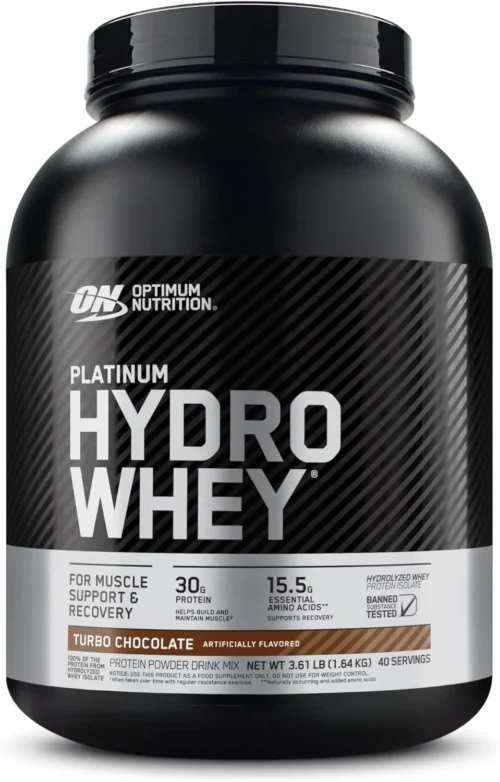
Optimum Nutrition Platinum Hydrowhey Protein Powder
| Attribute | Details |
|---|---|
| Brand | Optimum Nutrition |
| Protein Type | 100% Whey Protein Blend |
| Flavor | Turbo Chocolate |
| Servings | 40 Servings per Container |
| Net Weight | 3.6 lb (1.63 kg) |
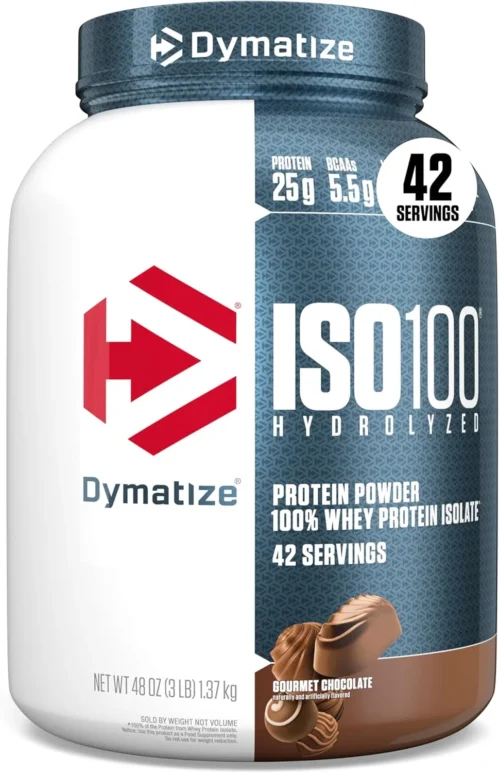
Dymatize ISO100 Hydrolyzed Protein Powder
Fast-Absorbing Protein: Hydrolyzed whey isolate for quick muscle recovery and growth.
Lean Nutrition: 25g protein, 5g BCAAs, 1g fat, 1g sugar, and under 120 calories per serving.
Easy to Digest: Low in lactose, carbs, and fat.
Versatile: Mix with water or milk, or add to smoothies and meals.
For All Fitness Levels: Suitable for beginners and experienced athletes alike.
Who Should Choose Hydrolyzed Whey Protein?
Based on research and user experience, hydrolyzed whey works best for a specific group of athletes.
Many athletes researching hydrolyzed whey protein vs whey isolate assume hydrolyzed whey automatically produces more muscle growth.
The reality is more nuanced.
Hydrolyzed whey may digest faster, but total daily protein intake remains far more important than slight differences in absorption speed.
Who Should Choose Whey Protein Isolate?
Whey isolate remains one of the most popular protein powders in sports nutrition.
For most gym-goers comparing hydrolyzed whey vs whey protein isolate, whey isolate provides nearly all the benefits at a lower cost.
That alone makes it the smarter purchase for many consumers.
Hydrolyzed Whey Protein vs Isolate: Key Similarities
Despite the marketing differences, these proteins share a lot in common.
There is no evidence suggesting that switching between the two negatively affects results.What matters most is hitting your daily protein target consistently.
Hydrolyzed Whey Protein vs Isolate: Important Differences
This is where the decision becomes easier.

