
Creatine vs Pre-Workout (2026): Two Supplements, One Big Difference

Written by a Certified Personal Trainer & Sports Nutrition Specialist
We independently research and review supplements based on science-backed information. If you use our links to purchase something, we may earn a commission.
If you’ve ever stood in the supplement aisle trying to decide between a tub of creatine and a pouch of pre-workout, you’re not alone. The creatine vs pre-workout debate is one of the most common questions in fitness, and the answer matters because these two supplements do very different things — even though both are designed to improve your training.
I’ve used both extensively and want to break down everything you need to know: what each one does, how they work, which one fits your goals, and whether it’s worth taking both. Whether you’re new to supplements or just trying to get more out of your gym sessions, this guide gives you a straight, science-backed answer.
Quick Look: Creatine vs Pre-Workout
Before we go deep, here’s a snapshot of what these two supplements actually are and how they work.
Creatine is one of the most thoroughly researched compounds in all of sports nutrition. It’s a naturally occurring molecule stored in your muscles and used to regenerate ATP — your body’s primary source of energy during short, explosive efforts like heavy lifts and sprints. Supplementing with creatine raises those stored levels over time, allowing you to push out more reps, recover faster between sets, and build lean muscle progressively. Creatine is taken daily, not just before workouts, and its benefits accumulate over weeks of consistent use.
Pre-workout is a multi-ingredient formula designed to boost energy, mental focus, and physical performance right before you train. Most pre-workout supplements are built around caffeine as the primary driver of that heightened, ready-to-train feeling. Depending on the formula, you may also find beta-alanine for endurance, L-citrulline for blood flow and pump, taurine for focus, and sometimes even creatine in smaller doses. Unlike creatine, pre-workout works acutely — you feel it within 30 to 60 minutes and it clears your system the same day.
The confusion between pre workout vs creatine usually comes down to this simple distinction: one delivers an immediate boost on training day, and the other builds a long-term performance foundation. Both are valuable. But they are not interchangeable.
Comparison Chart: Creatine vs Pre-Workout Supplement
To make this concrete, let’s compare two of the most popular and trusted products in each category: Ghost Legend Pre-Workout and Optimum Nutrition Micronized Creatine Powder.
Ghost Legend Pre-Workout has become a fan favorite for its full-label transparency, strong flavor lineup (Orange Cream, Sour Patch Kids, and more), and solid formula headlined by 165mg of natural caffeine per serving. It delivers clean, focused energy without the jittery crash that cheaper formulas can cause, and every ingredient on the label is fully disclosed — no proprietary blends. You can find it on Amazon
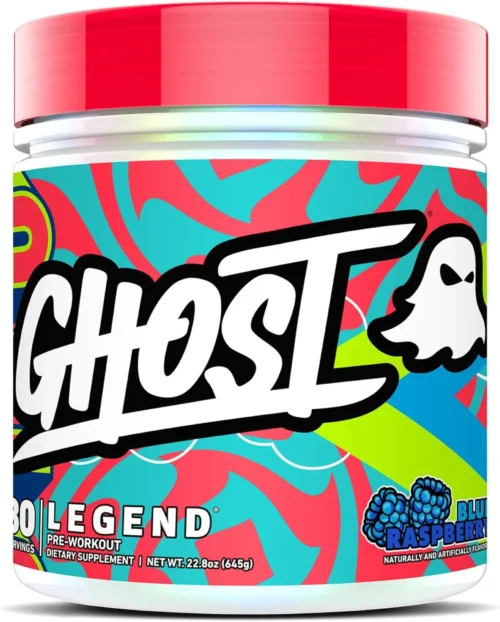
GHOST Legend Pre-Workout Powder
- Vegan-friendly formula with L-Citrulline for better pumps and smooth workouts.
- Packed with Beta-Alanine & NeuroFactor for energy, focus, and performance support.
- Fully transparent label with no proprietary blends; gluten, soy, and sugar free.
- Premium GHOST quality designed to fuel workouts and active lifestyles.
Optimum Nutrition Micronized Creatine Powder is the long-standing gold standard for pure creatine monohydrate. Unflavored, third-party tested, and free of fillers or additives, it mixes easily into water or any protein shake. With 114 servings per tub and one of the lowest price-per-dose ratios in supplements, it’s the go-to pick for anyone who wants reliable, no-nonsense creatine. Pick it up on Amazon.
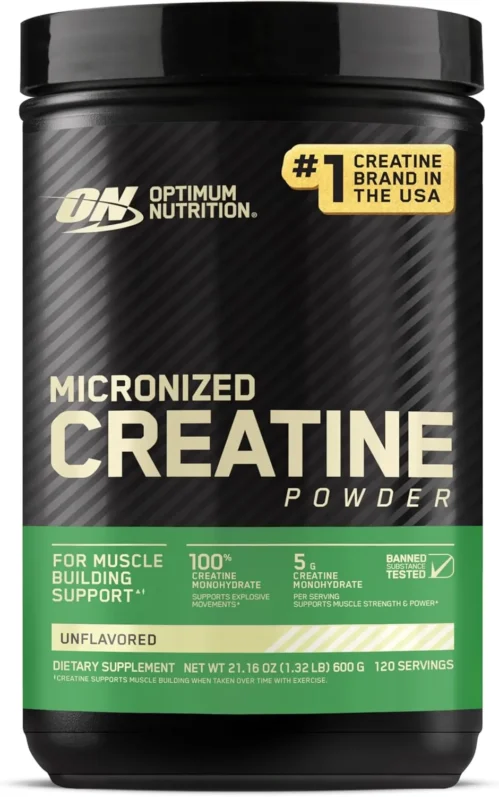
Optimum Nutrition Micronized Creatine Monohydrate Powder
- Made in the USA with 5g pure creatine monohydrate per serving.
- Helps improve energy, endurance, recovery, strength, and muscle power.
- Micronized formula for better absorbency and maximum effectiveness.
- From Optimum Nutrition, the world’s #1 sports nutrition brand with banned substance testing.
Who Should Take Pre-Workout?
Based on the research and real-world use, ghost pre-workout and similar pre-training formulas are best suited for a specific type of gym-goer. Here’s a quick breakdown before we go into detail:
One thing worth noting: the caffeine in ghost pre-workout sits at 165mg per serving, which is roughly equivalent to a strong cup of coffee. If you’re sensitive to stimulants or you train in the evening, you may want to time your serving carefully or explore a ghost non-stim pre-workout option to avoid affecting your sleep.
Legend ghost pre-workout has built a loyal following not just for its formula quality, but for its brand transparency. Ghost pre-workout reviews consistently highlight the clean, crash-free energy, the bold flavor options, and the fact that there are no under-dosed or hidden ingredients. As a ghost pre-workout drink you mix yourself, it’s one of the more enjoyable pre-training rituals in the supplement world.
Who Should Take Creatine?
Creatine optimum nutrition style supplementation — meaning pure creatine monohydrate taken consistently every day — delivers a different kind of value. Here’s how it stacks up by user type:
Optimum Nutrition Micronized Creatine Powder earns its reputation as the go-to choice for a reason. The micronized format means finer particles that dissolve easily with no clumping or gritty texture. Because it’s unflavored, it stacks cleanly with protein powder, a post-workout shake, or just water. Optimum Nutrition creatine reviews from long-term users consistently point to the same outcome: more reps completed, heavier weights lifted, and noticeably faster recovery between sessions over weeks of consistent use.
The optimum nutrition micronized creatine monohydrate formula uses the most studied form of creatine available. It is also third-party tested and free from unnecessary additives, making it a trustworthy foundation for any supplement stack. For those reading optimum nutrition micronized creatine powder reviews before buying, the consensus is clear: it does exactly what it promises.
Creatine vs Pre-Workout: Key Similarities
Even though these two supplements work through completely different mechanisms, they share more common ground than most people realize:
Creatine vs Pre-Workout: Important Differences
Here is where pre workout vs creatine truly diverge. These differences are what should guide your buying decision:
Can You Take Creatine and Pre-Workout Together?
Yes — and this is actually one of the most searched questions in the creatine vs pre-workout supplement space. Taking both is not only safe, it’s a practical strategy that many experienced athletes use as standard practice.
The logic is simple: pre-workout handles the immediate energy, focus, and pump for that session, while creatine builds the underlying strength and muscular endurance that compounds over weeks of training. Because they work through entirely different mechanisms, they complement each other rather than competing.
Here’s a simple stacking schedule that works for most people:
There is no meaningful evidence that caffeine from pre-workout negates the performance benefits of creatine. An older study hinted at this, but subsequent research has not supported the concern. If your pre workout ghost formula already contains creatine, check the label dose. If it’s under 3g, add a standalone serving to hit the 5g effective threshold.
Final Thoughts: Creatine vs Pre-Workout
Here’s the honest answer: if you can only pick one, creatine wins for long-term results. It’s backed by decades of research, has virtually no side effects, costs far less per serving, and delivers real, measurable improvements in strength and muscle over weeks of consistent use. It’s also stimulant-free, making it suitable for almost everyone regardless of schedule or sensitivity.
Pre-workout earns its place when you need that extra push on a specific day — when energy is low, motivation is dipping, or you’re chasing a personal record and need everything firing at once. Products like Ghost Legend Pre-Workout deliver genuine, session-specific benefits, especially when you want the combination of energy, focus, and pump in one scoop.
If your budget allows, using both as part of a consistent supplementation routine is the most complete approach. Start with creatine as your daily foundation, and add ghost pre-workout on training days when you need that extra edge. Together, they cover both the immediate and the long-term side of performance.

